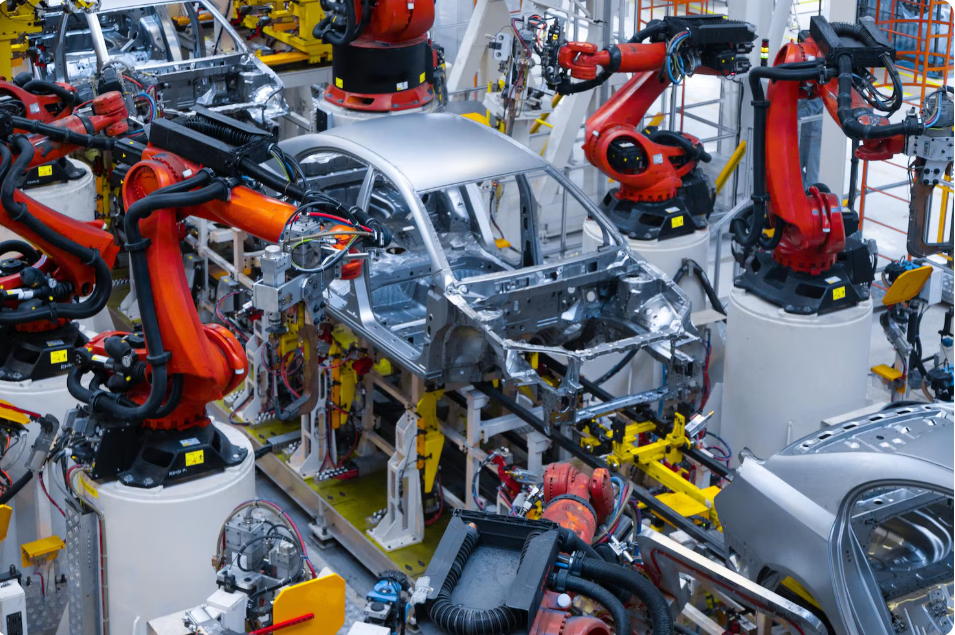
Introduction to Auto Technology
Auto Technology is revolutionizing the way people drive, commute, and interact with vehicles. It encompasses innovations in safety, performance, connectivity, and efficiency that are reshaping modern transportation. From advanced driver-assistance systems to electric powertrains, Auto Technology enables smarter, safer, and more sustainable mobility. As the automotive industry continues to evolve, integrating cutting-edge technology into vehicles has become essential for meeting consumer expectations, reducing environmental impact, and enhancing overall driving experiences.
Defining Auto Technology
Auto Technology refers to the use of advanced systems, electronics, and innovations in vehicles to improve functionality, performance, and safety. It includes developments such as autonomous driving systems, electric propulsion, smart sensors, telematics, and connected vehicle platforms. These technologies aim to enhance driver control, provide real-time information, optimize fuel efficiency, and reduce emissions. Auto Technology is no longer limited to high-end vehicles; it is becoming a standard feature in modern cars, transforming the way people interact with transportation.
Safety Innovations
One of the primary contributions of Auto Technology is the improvement of vehicle safety. Advanced driver-assistance systems such as automatic emergency braking, lane departure warnings, adaptive cruise control, and blind spot detection reduce the likelihood of accidents. Collision avoidance systems and parking sensors provide drivers with real-time guidance to navigate safely in complex environments. These technologies not only protect passengers but also contribute to overall road safety, reducing injuries, fatalities, and vehicle damage.
Enhancing Driving Experience
Auto Technology significantly enhances the driving experience by providing comfort, convenience, and efficiency. Smart infotainment systems, GPS navigation, wireless connectivity, and voice-activated controls allow drivers to stay connected while focusing on the road. Adaptive suspension systems, advanced braking, and powertrain optimization contribute to smoother rides and better handling. Auto Technology ensures that drivers can enjoy a seamless and responsive driving experience while maintaining control and comfort.
Electric and Sustainable Mobility
Electric vehicles and hybrid technologies are at the forefront of Auto Technology, promoting sustainable transportation. Electric powertrains reduce dependency on fossil fuels, lower carbon emissions, and decrease noise pollution. Battery advancements and charging innovations have improved range and accessibility, making electric mobility practical for daily use. Auto Technology continues to drive innovations in energy-efficient propulsion, enabling cleaner, more sustainable transportation solutions for the future.
Connectivity and Smart Vehicles
Connected vehicle technologies allow cars to communicate with other vehicles, infrastructure, and mobile devices. Vehicle-to-everything (V2X) communication enhances traffic flow, reduces congestion, and improves safety by providing real-time alerts about road conditions and hazards. Fleet management systems use telematics to monitor vehicle health, optimize routes, and reduce operational costs. Connectivity transforms vehicles into smart devices that contribute to a more efficient and intelligent transportation ecosystem.
Autonomous Driving
Autonomous driving is a transformative aspect of Auto Technology. Self-driving systems use sensors, cameras, artificial intelligence, and machine learning to navigate roads with minimal human intervention. These technologies promise to reduce accidents caused by human error, improve traffic management, and increase mobility for individuals who cannot drive. While fully autonomous vehicles are still under development, incremental automation such as lane assist and adaptive cruise control demonstrates the significant impact of Auto Technology on daily driving.
Impact on Transportation Industry
Auto Technology is reshaping the transportation industry by enabling more efficient logistics, ride-sharing, and public transport solutions. Smart vehicle management and telematics allow businesses to reduce operational costs and improve delivery efficiency. Autonomous and connected vehicles are influencing urban planning, traffic management, and transportation policy. By integrating Auto Technology, the industry can achieve higher productivity, lower emissions, and more reliable services for consumers.
Challenges and Considerations
Despite its benefits, Auto Technology presents challenges such as cybersecurity risks, high development costs, and regulatory hurdles. Ensuring the safety and privacy of connected systems is critical. Additionally, widespread adoption of electric and autonomous vehicles requires infrastructure investment, including charging stations and smart traffic management systems. Overcoming these challenges is essential to fully realize the transformative potential of Auto Technology in modern transportation.
Future of Auto Technology
The future of Auto Technology is promising, with continuous innovation driving smarter, safer, and greener mobility. Advancements in artificial intelligence, battery technology, autonomous driving, and connectivity will redefine the transportation landscape. Vehicles will become more integrated into digital ecosystems, enabling personalized, efficient, and environmentally responsible driving experiences. Auto Technology will continue to play a central role in shaping how people travel, commute, and interact with vehicles in the decades to come.
Conclusion
Auto Technology is transforming transportation and mobility by enhancing safety, connectivity, performance, and sustainability. Through innovations in autonomous driving, electric propulsion, smart systems, and telematics, vehicles are becoming smarter and more efficient. The integration of Auto Technology not only improves the driving experience but also contributes to sustainable urban planning and economic development. As technology continues to evolve, Auto Technology will remain at the heart of the future of transportation, shaping a safer, more connected, and environmentally responsible world.