Introduction to Electric Vehicles
Electric Vehicles are redefining the automotive industry by offering innovative, efficient, and eco friendly alternatives to traditional gasoline powered cars. With growing environmental awareness and advancements in technology, Electric Vehicles are becoming increasingly popular among consumers and businesses alike. They provide a sustainable mode of transportation while delivering impressive performance, lower operating costs, and cutting edge features. Understanding Electric Vehicles helps drivers make informed decisions about embracing cleaner mobility solutions.
Technological Innovations in Electric Vehicles
Electric Vehicles are powered by advanced battery technology and electric motors, replacing conventional internal combustion engines. Innovations in lithium ion batteries, fast charging systems, and regenerative braking improve energy efficiency and driving range. Modern Electric Vehicles integrate smart features such as autonomous driving assistance, connected systems, and real time energy monitoring. Technology in Electric Vehicles enhances safety, performance, and convenience while reducing environmental impact.
Efficiency and Performance
Electric Vehicles offer impressive efficiency and performance compared to traditional vehicles. Instant torque delivery provides smooth acceleration and responsive handling. Reduced mechanical complexity lowers maintenance requirements and improves reliability. Efficiency metrics such as energy consumption per kilometer and regenerative energy recovery make Electric Vehicles cost effective to operate. High performance models also demonstrate that eco friendly transportation can deliver speed, comfort, and driving pleasure.
Environmental Benefits
The environmental impact of Electric Vehicles is a major advantage. Zero tailpipe emissions reduce air pollution, improve urban air quality, and contribute to climate change mitigation. Electric Vehicles powered by renewable energy sources offer near carbon free transportation. Reduced noise pollution further enhances urban living conditions. Choosing Electric Vehicles supports sustainability goals while promoting responsible and cleaner mobility practices.
Charging Infrastructure and Accessibility
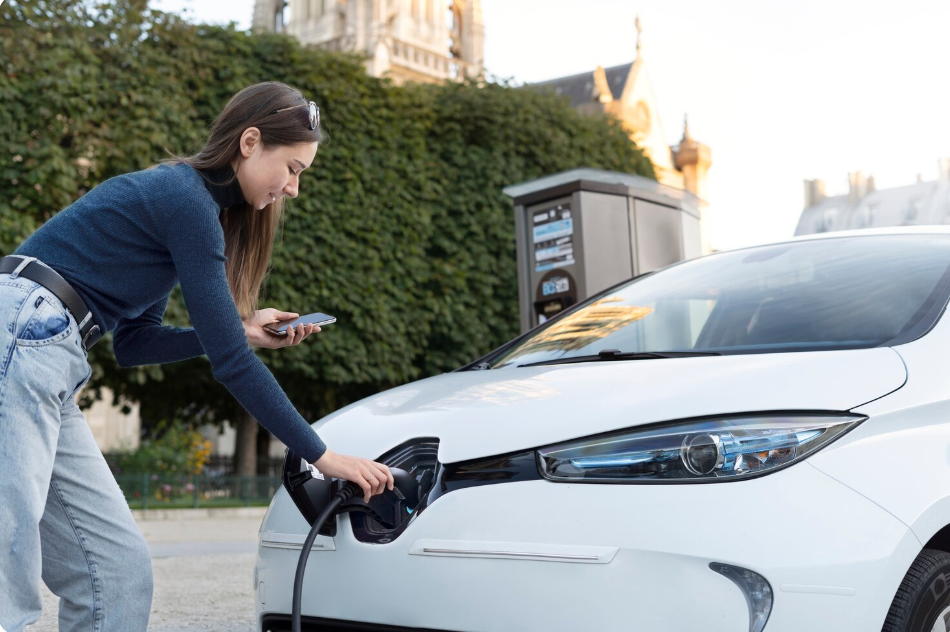
Charging infrastructure is essential for widespread adoption of Electric Vehicles. Public charging stations, fast chargers, and home charging solutions provide convenience and accessibility. Smart charging networks optimize energy use and reduce charging times. As infrastructure expands, drivers gain confidence in the reliability and practicality of Electric Vehicles for daily commuting, long distance travel, and fleet operations.
Cost Savings and Incentives
Electric Vehicles offer long term cost savings through reduced fuel expenses, lower maintenance, and government incentives. Many regions provide tax credits, rebates, and subsidies to encourage adoption. Savings from electricity costs compared to gasoline and reduced wear on components contribute to overall affordability. Understanding financial benefits makes Electric Vehicles an attractive option for both individuals and businesses.
Safety and Reliability
Safety is a priority in Electric Vehicles, with many models achieving high crash test ratings. Features such as battery protection systems, advanced driver assistance, and stability control ensure driver and passenger safety. Reliability is enhanced by fewer moving parts and simplified powertrains, reducing the likelihood of breakdowns. Electric Vehicles demonstrate that sustainability does not compromise safety or durability.
Market Growth and Consumer Adoption
The popularity of Electric Vehicles is rapidly increasing worldwide. Automakers are expanding model offerings, including SUVs, sedans, and commercial vehicles. Consumer adoption is driven by awareness of environmental benefits, performance capabilities, and economic advantages. Market growth encourages further investment in technology, charging infrastructure, and policy support, creating a positive cycle of innovation and accessibility.
Future Outlook
The future of Electric Vehicles is closely tied to advancements in battery technology, charging solutions, and smart mobility integration. Autonomous driving, connected vehicle networks, and renewable energy synergy will further enhance the appeal of Electric Vehicles. Continued innovation promises longer ranges, faster charging, and even more efficient energy use, making Electric Vehicles a central part of sustainable transportation globally.
Conclusion
Electric Vehicles combine innovation, efficiency, and eco friendly mobility to transform the way people travel. By offering advanced technology, impressive performance, environmental benefits, and cost savings, Electric Vehicles present a sustainable alternative to traditional vehicles. With expanding charging infrastructure, safety features, and growing market adoption, Electric Vehicles are not just a trend—they are the future of transportation. Embracing Electric Vehicles enables individuals and businesses to drive smarter, cleaner, and more responsibly while enjoying the advantages of modern automotive innovation.